Compliance and Compounding: A Healthcare Fraud Trend to Watch For
July 2, 2026
By Colin May, M.S., CFE, 3CE, INCI
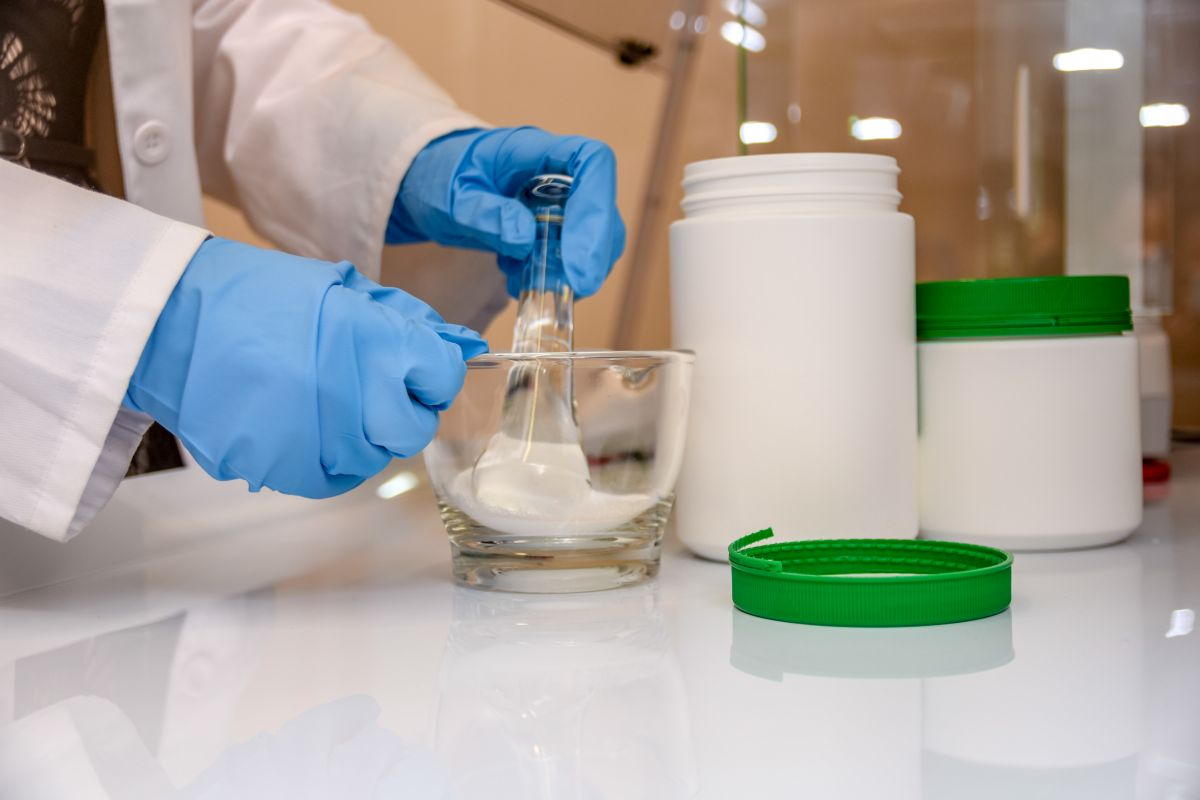
“Compounding” a prescription is a practice in which a licensed pharmacist combines, mixes, or synthesizes specific compounds or ingredients of a drug or multiple drugs to create a drug tailored to the needs of an individual patient who is unable to take standard medications.
Compounded prescriptions are necessary when the usual drug is considered unsuitable. Examples include for a child who can’t take pills orally or an older patient who is allergic to an ingredient. These special formulations enable the active pharmaceutical ingredients to be delivered in a different manner. However, these medications can only be prescribed and mixed for specific patients with particular needs; they were not to be mixed and marketed in bulk quantities.
Commercially manufactured medications are overseen by the U.S. Food and Drug Administration (FDA), but compounded drugs are typically not subject to regulatory scrutiny by the FDA, thus they present a higher risk, since there is no verification of safety, potency, effectiveness, or manufacturing quality of compounded drugs.
Compounded drugs are often far more expensive than commercially produced drugs commonly reimbursed by Federal health care programs and private insurance companies, which has made them popular as targets of fraud. This is an important area for compliance officials across all levels of healthcare to understand, especially in the wake of the increased oversight activity announced by the U.S. Department of Health and Human Services Office of Inspector General in April 2026.
Sham Services for Scripts
A Texas doctor, Jerry May Keepers was sentenced in October 2022 for writing compounded drug prescriptions in return for illegal kickback payments. While he didn’t receive jail time, he did receive 36 months of supervised release and a maximum restitution amount of over $1.5 million.
In January 2014, Dr. Keepers accepted $25,000 from representatives of OK Compounding, knowing the payment was to induce Keepers to write expensive prescriptions and refer them to the pharmacy for production. According to the indictment filed in the case, kickback payments were disguised through various sham business arrangements, including contracts where several physicians purported to serve as “medical directors” or “consulting physicians” for the pharmacy. Keepers and OK Compounding represented that Keepers had been paid for his services as a national spokesperson, medical director or national marketing director, without doing any substantive work.
One of the owners of OK Compounding, Christopher Park, was also charged and received 18 months in jail, along with a $6 million restitution order. Park arranged for physicians to be provided with pre-printed prescription pads that listed compounding formula choices. Participating physicians checked a box with their preferred selection and then faxed it directly to the associated pharmacies, rather than writing a prescription tailored to the patient who could take it to a pharmacy of their choice.
Parks disguised payments to physicians through various sham business arrangements like he had with Keepers. Physicians were paid kickbacks for writing prescriptions for medications whether their patients needed them or not and sending the prescriptions to Parks-affiliated pharmacies.
Maximizing Profits through Unique Formulas
Two top executives from Main Avenue Pharmacy, a mail-order pharmacy with a storefront in Clifton, New Jersey, ran a scheme to give illegal kickbacks to physicians. In this case, they identified expensive formulas for compounded drugs including scar creams, pain creams, migraine mediation, and vitamins.
Once the executives identified lucrative formulas (that would be less scrutinized by insurers), they printed prescription pads with those formulas on it and distributed them to marketers across the country. The marketing companies would in turn distribute the prescription pad to telemedicine companies and doctors with whom they had a financial arrangement.
In 2023, a case involving the misuse of compounding prescriptions that targeted veterans and their families ended in the prison sentencing of three key executives; they defrauded the Defense Department to the tune of $54 million by paying bribes and kickbacks, including lavish hunting trips and expensive dinners, in exchange for prescriptions.
Like the Main Avenue case, they engaged in “test billing” to ensure the insurance plan would accept the most expensive combination of compounded drugs, allowing them maximize reimbursement. They also instructed employees to obtain a “blanket letters of authorization” that allowed the pharmacy to modify the prescription components without consulting the physician, thus making the formulas even more profitable.
Human Drugs—Prescribed by a Vet
The profits of compounded drugs can be enticing, as the case of U.S. Compounding, Inc. shows. The company, also known as USC, was a privately held compounding company in Arkansas that supplied prescription medications and compounded drugs intended for animal use. Around 2015, a sales representative and a veterinarian made an illegal deal to use the vet’s prescribing ability, which enabled prescription drugs to be shipped directly to people (for human use) in other states, violating federal law. The veterinarian received a 10% commission from these sales; in addition to the representative, the entire sales team and the vice president of sales knew of this sham arrangement, but failed to report it.
In 2016, USC was acquired by Adamis, a publicly traded biopharmaceutical company based in California, and USC continued its illegal practices. An Adamis executive, who had become aware of this illegal situation, sought to conceal the kickbacks to the veterinarian by designating them as a consultant for USC, including creating a consulting agreement, which was never fully executed. Prosecutors stated that even without the vet’s signature, all three “mutually agreed to maintain the pretext that the Veterinarian was a consultant for the company should the payments ever be questioned.”
A Mixture of Problems
Compounding pharmacies serve an important and legitimate role in health care when customized medications are medically necessary for individual patients. However, as these cases demonstrate, the high reimbursement rates, limited regulatory oversight, and complexity of compounded drugs have made them attractive vehicles for fraud and abuse.
Schemes involving illegal kickbacks, sham consulting arrangements, pre-printed prescription pads, and misuse of professional licenses undermine patient safety and erode trust in the health care system. Ensuring that compounding is driven by genuine patient need—rather than profit—remains essential to protecting both public health and healthcare dollars.
About the Author
Colin May, CFE, 3CE, INCI, is Professor of Forensic Studies and Criminal Justice at Stevenson University in Owings Mills, Md. A member of the American College of Healthcare Executives, he has spent the past 21 years in oversight, investigations, and compliance. The views expressed are his own. He can be reached at cmay3231@stevenson.edu.